Crop
Microgreens
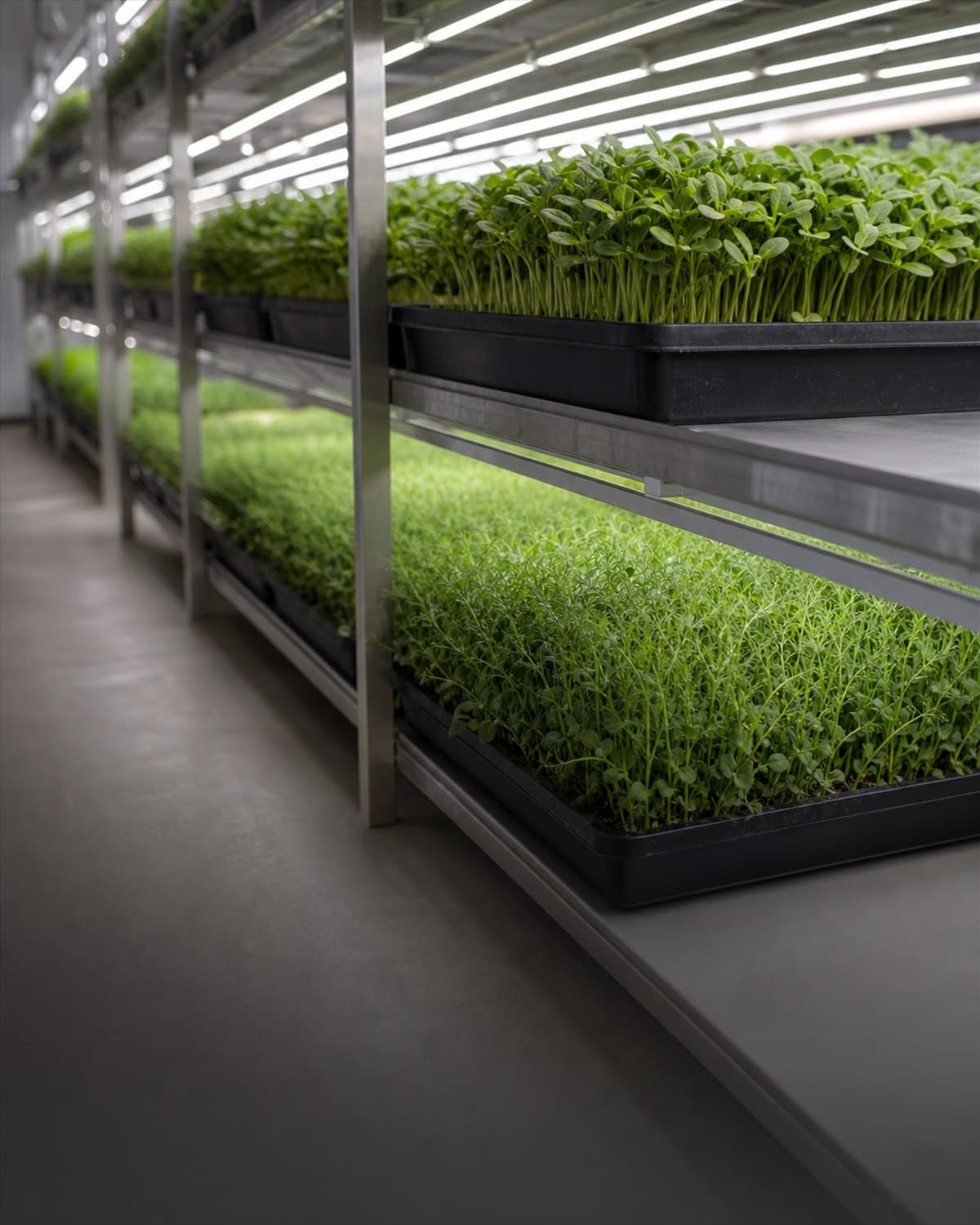
High-density seeding, fast cuts, and tray turnaround measured in minutes. The tightest cycle in indoor farming, and the least forgiving of manual labor.
The awkward middle
Small and mid-sized microgreens operators have historically been stuck between two bad options: hand tools that cap out fast, and industrial lines priced for enterprise volume. Purpose-built tabletop seeders and push-through washers exist to fill exactly that gap, standardized around the industry's 1020 tray so an operation can scale into higher volume without replacing its whole line.
Consistency by design
Fixed-roller seeders can't adjust for different seed sizes, and generic seeding leaves crowded, uneven trays that cost yield later. Interchangeable large-seed rollers and variable speed controls, paired with corrosion-resistant components, hold seed density consistent tray after tray regardless of variety.
Payback measured in months, not years
On thin microgreens margins, growers need automation to pay for itself in under a year, not the multi-year timelines of over-engineered industrial systems. Labor is usually the biggest lever: at scaling facilities it can eat over half of operating costs, and dedicated mechanical harvesting and washing cuts that dependence enough to redirect people toward growth and client work instead of repetitive manual tasks.
What consistency actually buys you
Mechanical consistency isn't just a yield number. Growers running dedicated equipment report fewer downtime events and less mold and disease pressure, both of which translate directly into longer shelf life and a more reliable supply chain.
Working out your seeding, transplant and harvest dates by hand? Our free planner does that math for you, backward from every harvest date.
Try the free plannerRecommended machines
The Tabletop Seeder and Harvester below are built around the exact tradeoffs above: seeding consistency and harvest yield, at a price that pencils out for smaller and mid-sized operations.
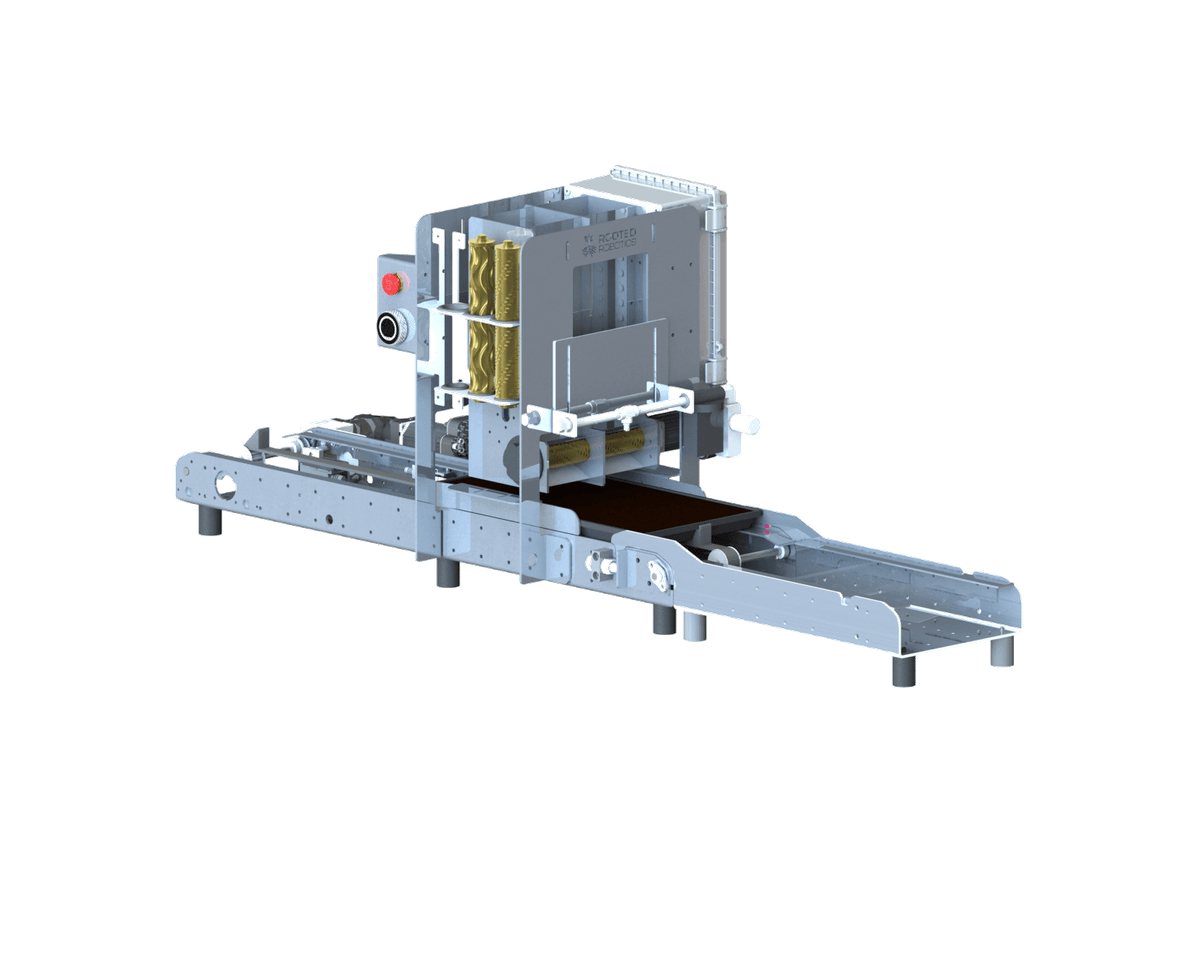
Sembradora de Mesa
Automatice su proceso de siembra con precisión. Soluciones accesibles y escalables para operaciones pequeñas y medianas.
- ✓Reduce la mano de obra de siembra en un 85%
- ✓Distribución consistente de semillas
- ✓Densidad de siembra ajustable
- ✓Funciona con todas las bandejas estándar 10x20 trays
 CE Marked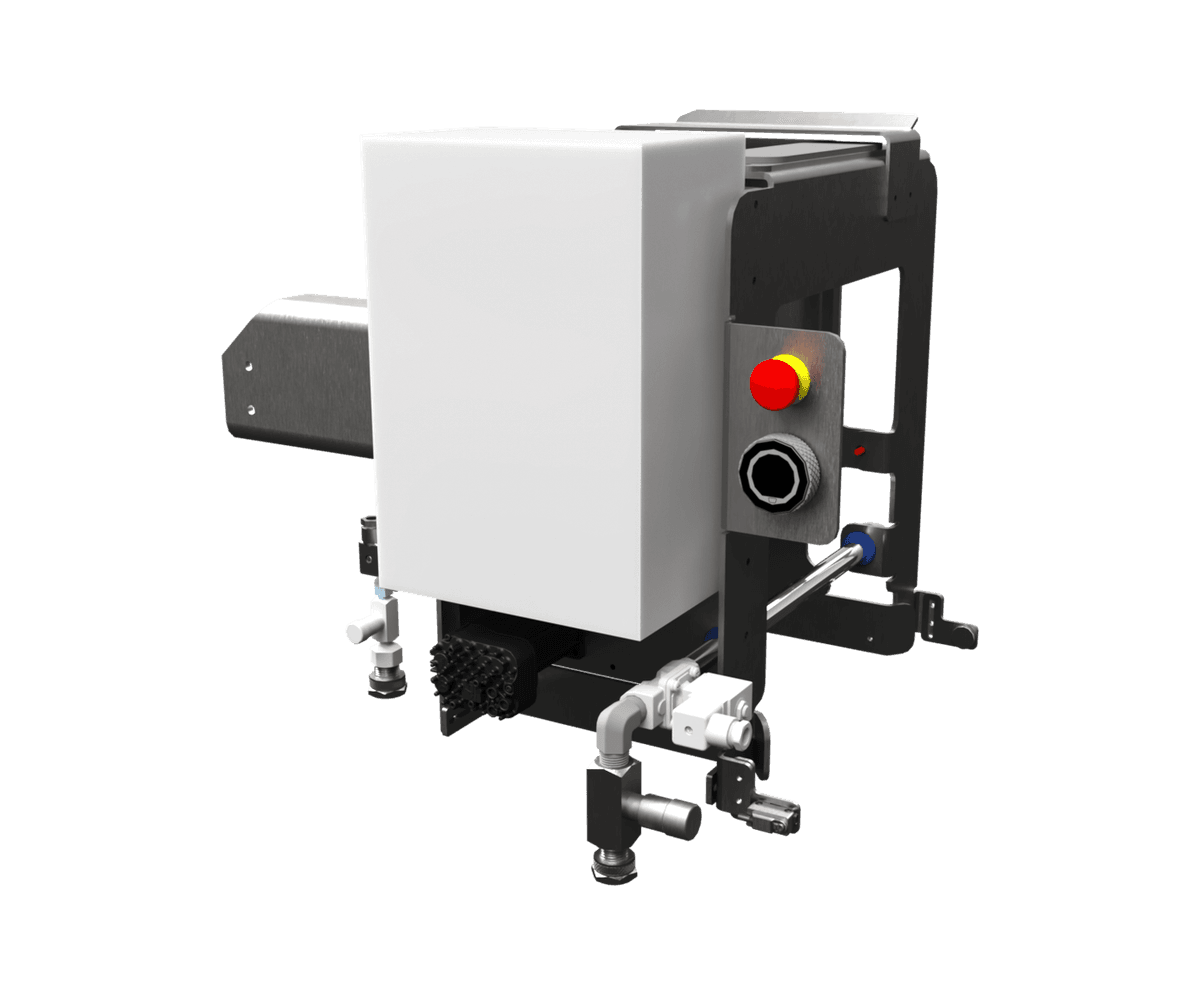
Sembradora de Tolva Independiente
Sembradora montada sobre cinta que se integra en una línea de producción existente y siembra bandejas 1020 estándar a su paso.
- ✓Se monta sobre su cinta transportadora existente
- ✓Siembra bandejas 1020 estándar
- ✓Siete rodillos intercambiables
- ✓Ajustes guardados por variedad
CE Marked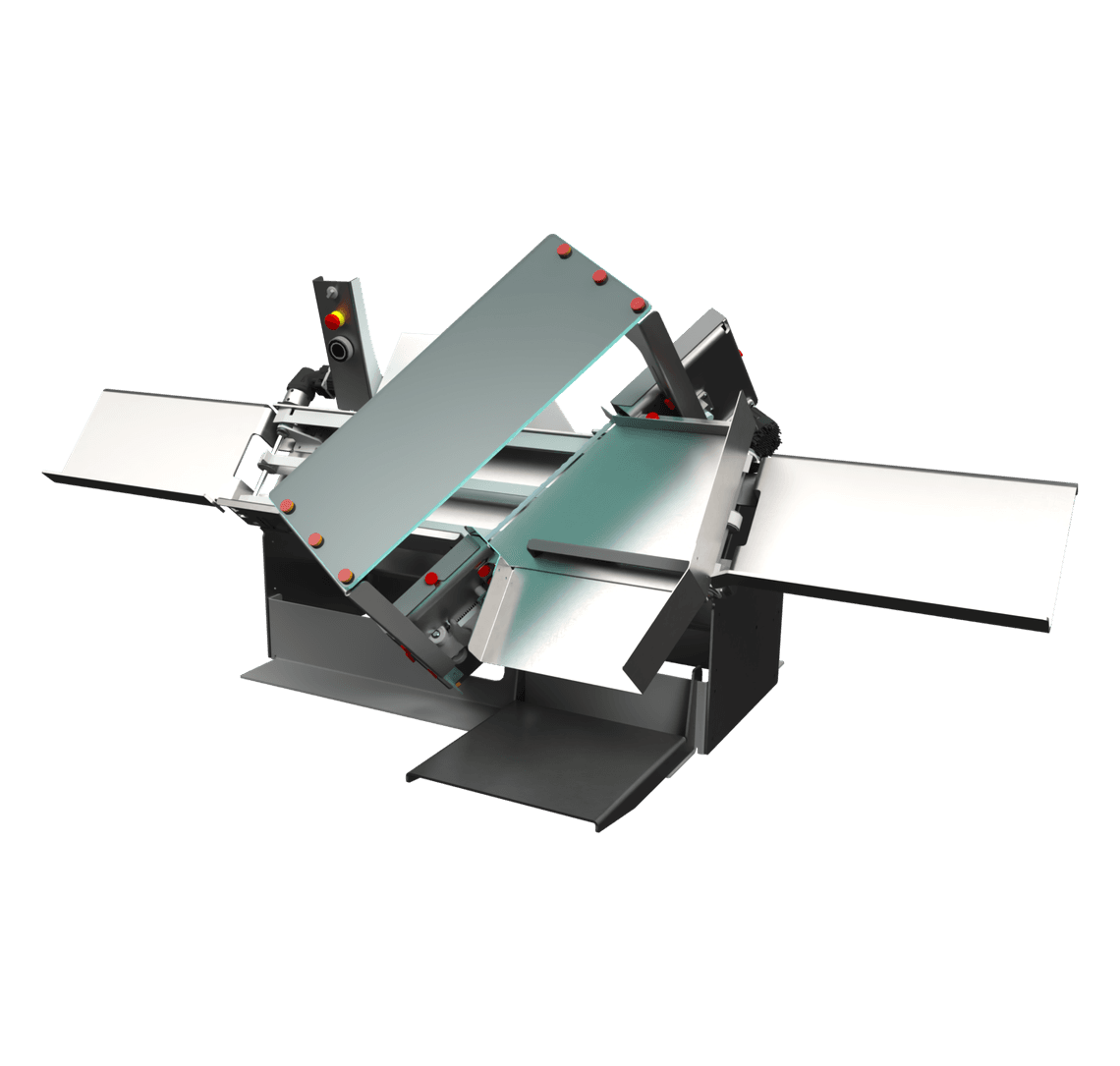
Cosechadora
Reduzca drásticamente el tiempo de cosecha manteniendo una calidad y consistencia perfectas.
- ✓Cortes limpios y precisos cada vez
- ✓Altura de corte ajustable
- ✓Maximiza el rendimiento por bandeja
- ✓Fácil de limpiar y mantener
CE Marked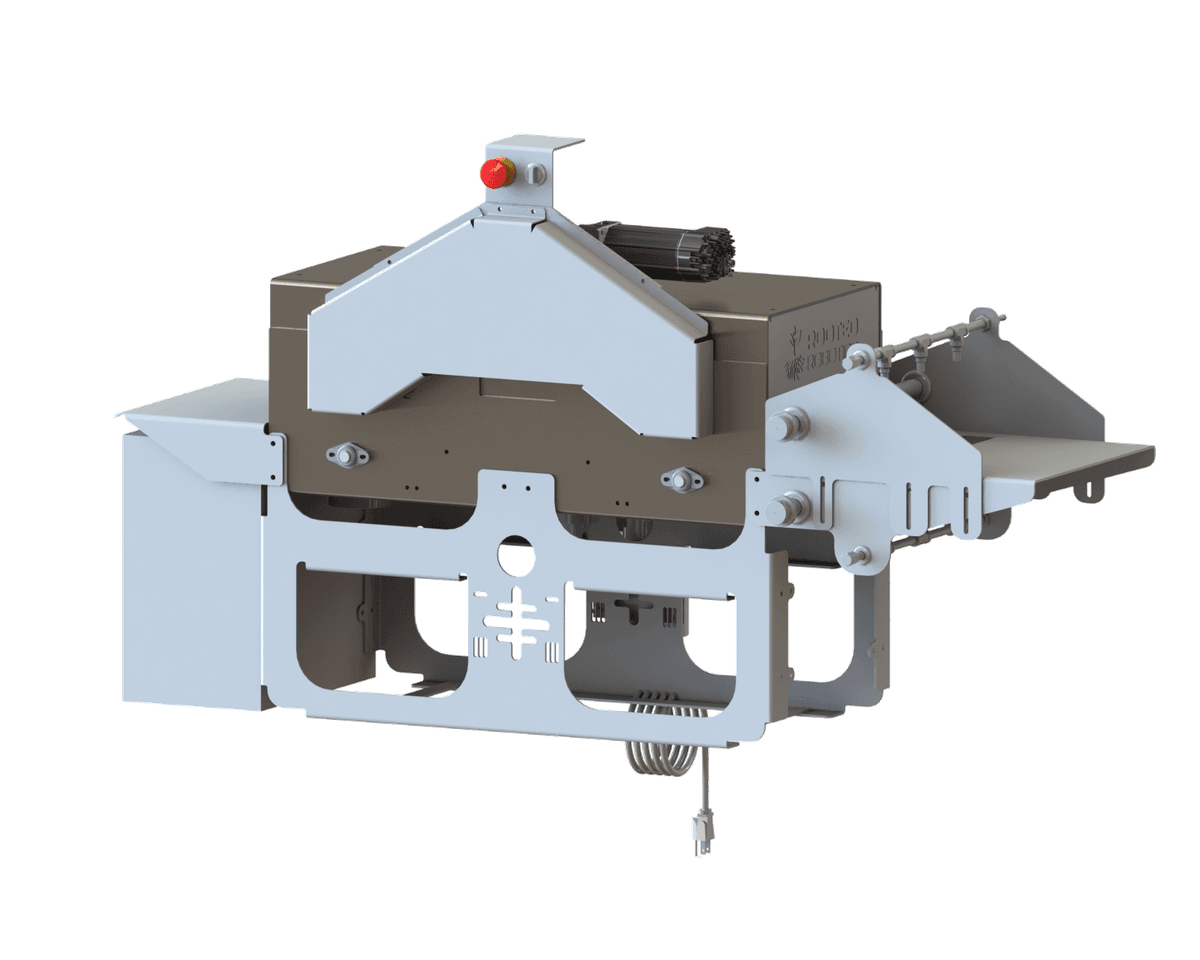
Lavadora de Bandejas (Auto-Feed)
Limpieza rápida y minuciosa que elimina la tediosa tarea del lavado manual de bandejas.
- ✓Mecanismo de alimentación automática
- ✓Ciclos de limpieza rápidos
- ✓Diseño eficiente en el uso de agua
- ✓Perfecta para operaciones de alto volumen
CE Marked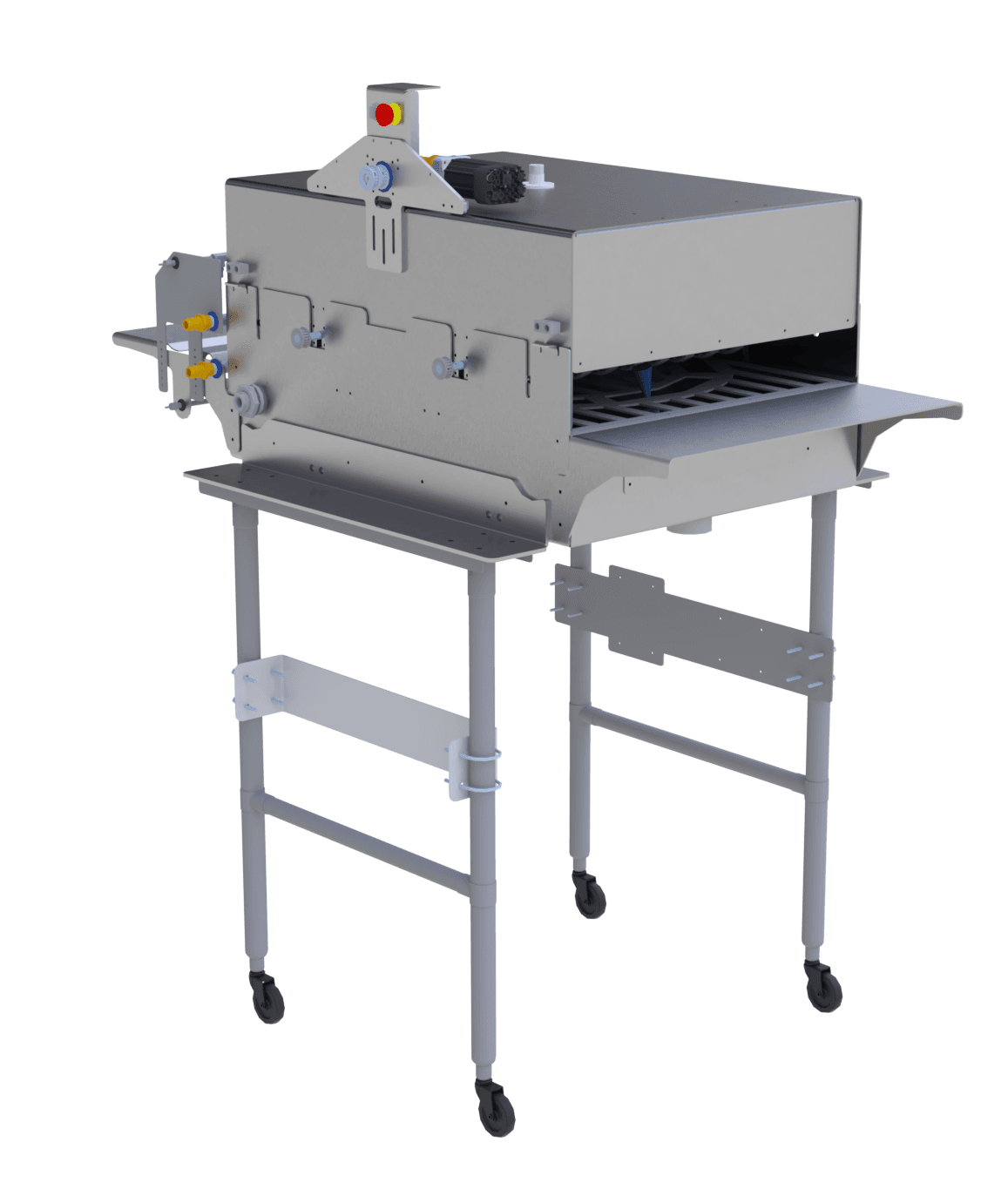
Lavadora Universal de 24" (Auto-Feed)
Limpieza con auto-feed para cada formato. Dos bandejas 10x20 a la vez, además de rafts, con el kit de movilidad incluido.
- ✓Mecanismo de auto-feed
- ✓Cámara de lavado de 24"
- ✓Dos bandejas a la vez
- ✓Kit de movilidad incluido
CE Marked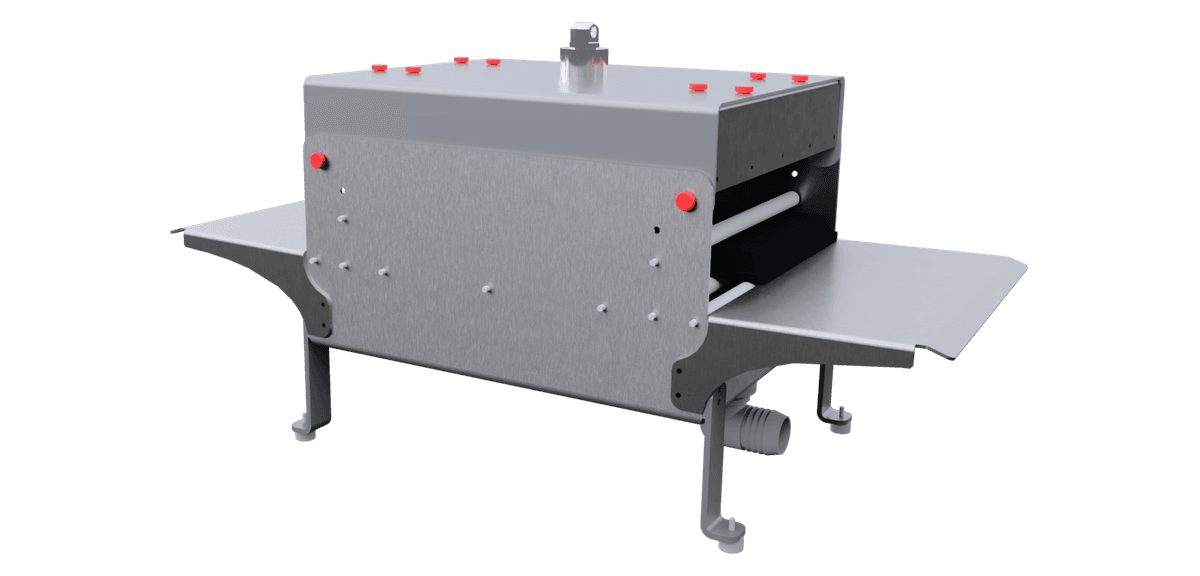
Tray Washer (Push-Through)
Manual entry level tray washer. Push trays through, pull them out clean. Less than half the cost of the Auto-Feed.
- ✓Manual feed, no motor
- ✓Cleans 10x20 trays fast
- ✓Tabletop footprint
- ✓Entry level pricing
CE Marked¿Preguntas Sobre Nuestros Productos?
Comuníquese con nosotros para discutir qué equipo es el adecuado para su operación.
Contact UsSíganos en redes sociales
© 2026 Rooted Robotics. Todos los derechos reservados.